Over the last few years, weddings have started to shift in a meaningful way.
More couples are moving away from giant productions and leaning into experiences that feel intentional, personal, and emotionally connected. Instead of spending an entire wedding day rushing between timelines, seating charts, and expectations, many couples are choosing to focus on what matters most: the experience itself.
That’s one of the reasons intimate weddings and elopements have become so popular throughout Massachusetts and New England.
And along with that shift, more couples have started searching for something they didn’t even realize was an option:
Can your wedding photographer also officiate your wedding?
The answer is yes.
As both a Massachusetts wedding photographer and officiant, I offer couples the opportunity to simplify their wedding experience while still creating beautiful, emotional, and professionally documented memories of the day.
For couples planning an intimate wedding, city hall ceremony, coastal elopement, or small destination-style wedding in Massachusetts, having one trusted person guide both the ceremony and photography can create a day that feels calm, connected, and genuinely meaningful.
If you’ve been searching for information about officiant-photographer elopements, how they work, and whether they might be the right fit for your wedding day, this guide walks through everything you need to know.
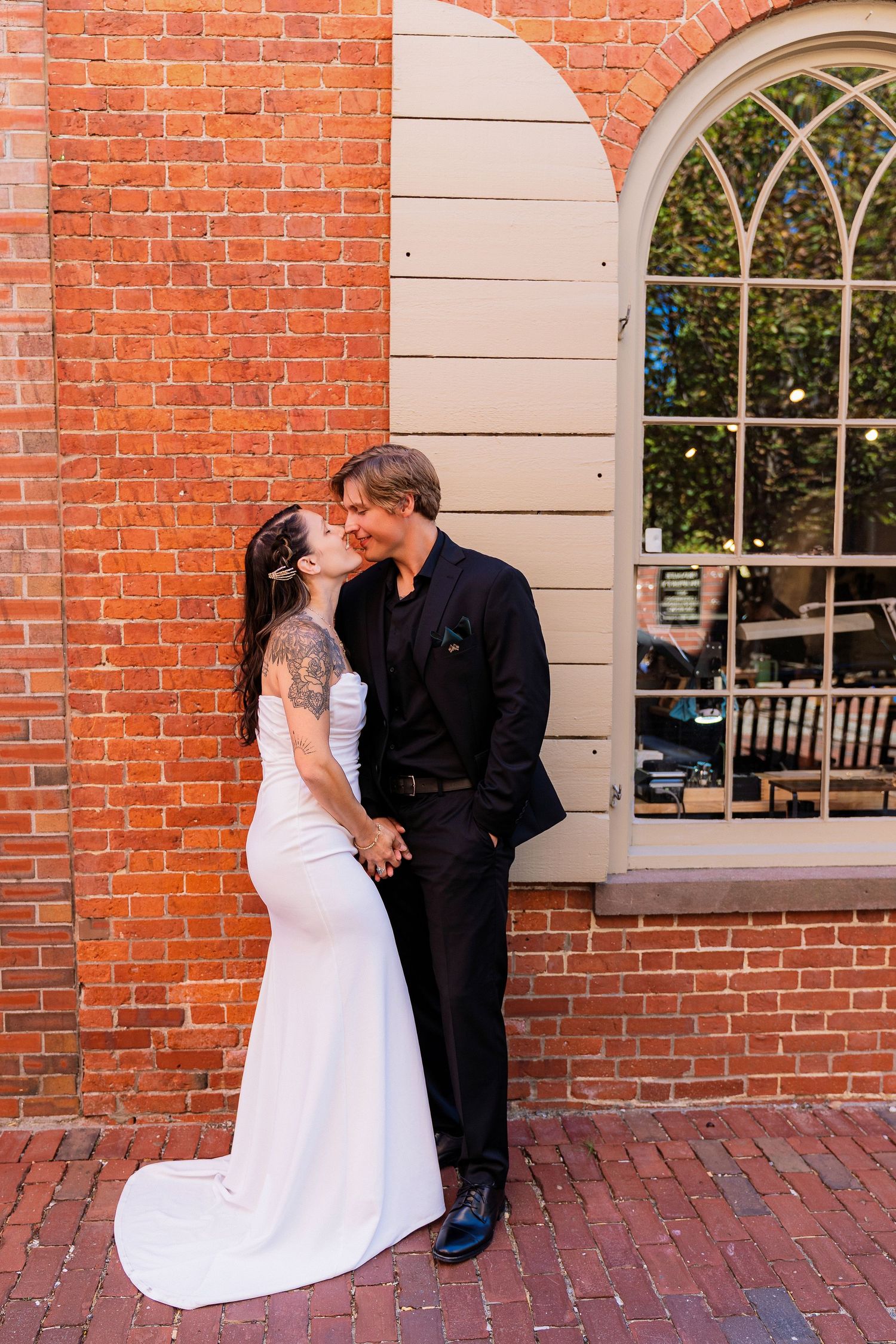
What Is an Officiant-Photographer Elopement?
An officiant-photographer elopement is exactly what it sounds like: your photographer also legally officiates your wedding ceremony.
Instead of hiring a separate officiant and photographer, couples work with one person who:
- legally performs the ceremony
- signs the marriage license
- guides the timeline and flow of the experience
- photographs the day naturally as it unfolds
This type of wedding experience is especially popular for:
- Massachusetts elopements
- Boston city hall weddings
- intimate weddings
- destination elopements
- beach ceremonies
- adventure elopements
- courthouse weddings
- vow renewals
- weekday weddings
For many couples, it creates a more relaxed atmosphere and removes a significant amount of stress from the planning process.
Rather than coordinating multiple vendors for a very small wedding, couples can focus more on the actual experience and less on logistics.
Is It Legal for a Photographer to Officiate a Wedding in Massachusetts?
Yes.
In Massachusetts, it is legal for a photographer to also officiate your wedding ceremony, as long as they are legally authorized to solemnize marriages within the state.
Couples still need to obtain a valid Massachusetts marriage license through their local city or town clerk before the wedding day, but after that, the officiant is able to legally perform the ceremony and complete the required paperwork.
For official Massachusetts marriage license information, couples can visit:
Massachusetts Government Marriage License Information
Marriage license requirements can vary slightly by city or town, so I always recommend checking directly with the local clerk’s office where you plan to apply.
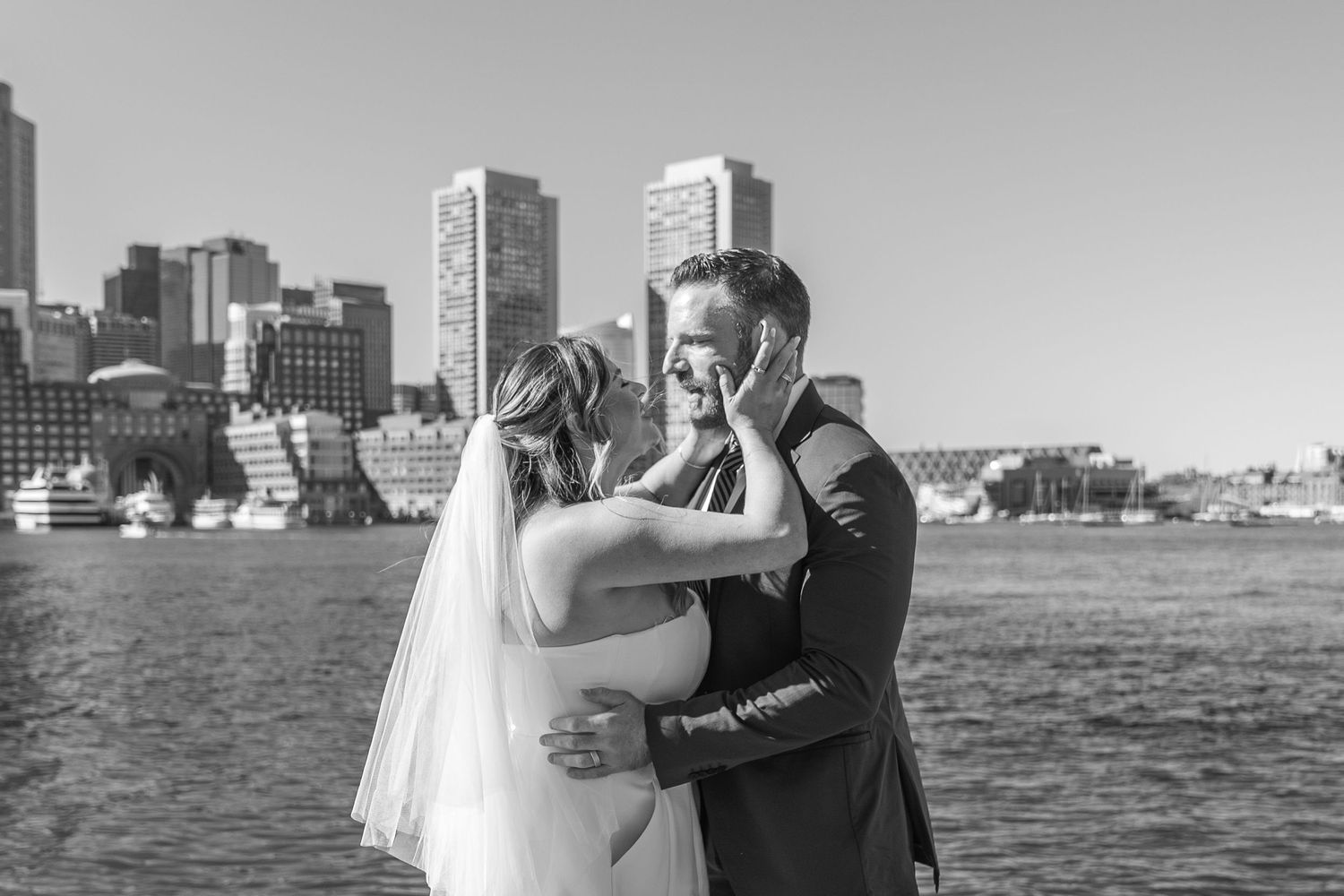
Why Couples Are Choosing Officiant-Photographer Elopements
One of the biggest reasons couples are drawn to this experience is because it allows the wedding day to feel far more personal and natural.
Traditional weddings can sometimes become heavily focused on production and logistics. Elopements often allow couples to step away from that pressure and create a wedding day centered entirely around connection and intention.
Here are some of the biggest reasons couples choose this approach.
1. A Simpler Planning Experience
Wedding planning can quickly become overwhelming, even for smaller celebrations.
When couples choose an officiant-photographer experience, they simplify:
- communication
- scheduling
- vendor coordination
- timeline logistics
- ceremony planning
Instead of managing multiple people for an intimate wedding, couples work with one trusted person throughout the process.
This often creates a smoother and more relaxed planning experience overall.
2. A More Intimate Atmosphere
One of the things couples mention most after their elopement is how emotional and personal the experience felt.
Without a large audience, strict timeline, or crowded environment, couples are often able to:
- slow down
- stay present
- focus on each other
- feel less anxious
- experience genuine emotions naturally
That intimacy often translates beautifully into the photographs as well.
3. A Natural Flow Between Ceremony & Portraits
Traditional weddings can sometimes feel segmented:
- ceremony
- cocktail hour
- portraits
- reception
- formalities
Elopements tend to flow much more organically.
Because I’m already guiding the ceremony, there’s often an established comfort level that helps couples feel relaxed in front of the camera immediately afterward.
The transition feels seamless instead of formal or staged.
4. Perfect for Introverted Couples
Not every couple dreams of standing in front of 150 guests.
Many couples genuinely prefer:
- privacy
- quiet moments
- meaningful experiences
- less attention
- less pressure
An officiant-photographer elopement creates space for that.
The day can feel calm, emotional, and deeply personal without sacrificing beautiful imagery or meaningful moments.
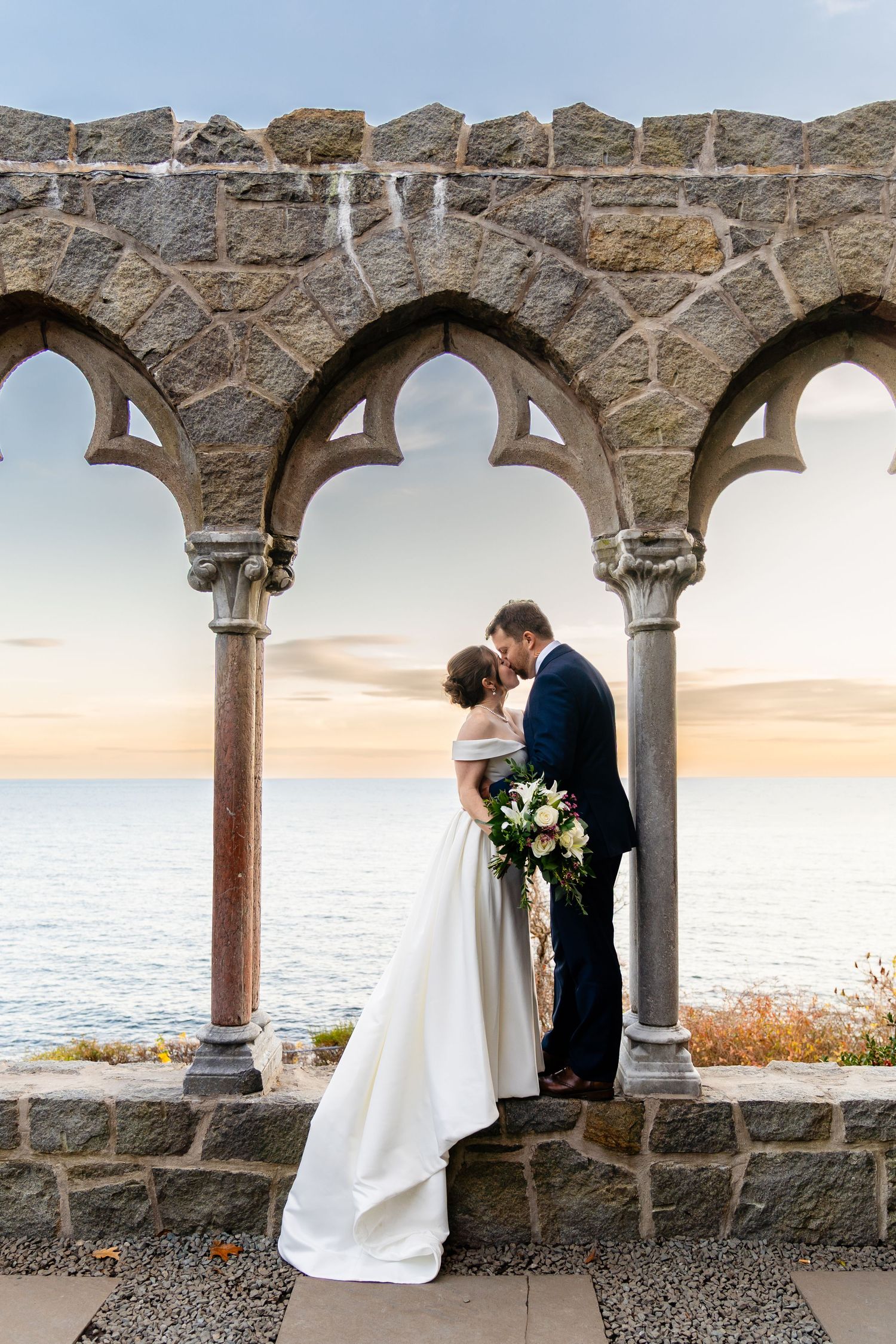
How an Officiant-Photographer Elopement Typically Works
Every elopement is different, but here’s a general idea of what the process looks like from start to finish.
Step 1: Planning Your Vision
The first step is discussing the overall experience you want your wedding day to feel like.
Some couples envision:
- a sunrise beach ceremony
- downtown Boston portraits
- a coastal New England cliffside elopement
- a city hall ceremony followed by dinner
- a private backyard ceremony
- a quiet forest setting
- a luxury intimate wedding weekend
This stage focuses on creating a day that feels authentic to you rather than following traditional wedding expectations.
Step 2: Choosing the Right Location
Location plays a huge role in both the experience and the final imagery.
Massachusetts offers an incredible variety of elopement locations, including:
- beaches
- gardens
- historic architecture
- coastal towns
- waterfront areas
- forests and trails
- city locations
Some popular Massachusetts elopement locations include:
- Boston Public Garden
- Castle Island
- Halibut Point State Park
- Acorn Street
- Good Harbor Beach
- Crane Beach
For couples considering state parks or public properties, it’s always important to check permit requirements in advance.
Helpful resources:
Step 3: Creating the Timeline
One of the biggest advantages of elopements is flexibility.
Instead of building an entire day around guest logistics, the timeline can prioritize:
- beautiful natural light
- meaningful moments
- privacy
- relaxed pacing
- intentional experiences
This often means:
- sunrise ceremonies
- sunset portraits
- weekday elopements
- slower transitions
- less rushing overall
As a photographer, I help guide timeline decisions based on lighting, crowds, weather, and overall flow.
Step 4: The Ceremony
On the wedding day itself, I perform the ceremony while also guiding the experience naturally.
Some couples prefer:
- personal vows
- traditional vows
- spiritual ceremonies
- non-religious ceremonies
- short and simple wording
- deeply customized ceremonies
The goal is never to make the experience feel overly formal or performative.
Instead, the ceremony is designed to feel genuine, emotional, and true to the couple.
Step 5: Portraits & Documenting the Day
After the ceremony, we move naturally into portraits and documenting the rest of the experience.
My photography approach focuses heavily on:
- candid interaction
- storytelling
- movement
- emotional connection
- natural direction
Rather than stiff posing, I guide couples in a way that allows moments to unfold naturally while still creating refined and timeless imagery.
The goal is for your photographs to feel like memories instead of a photoshoot.
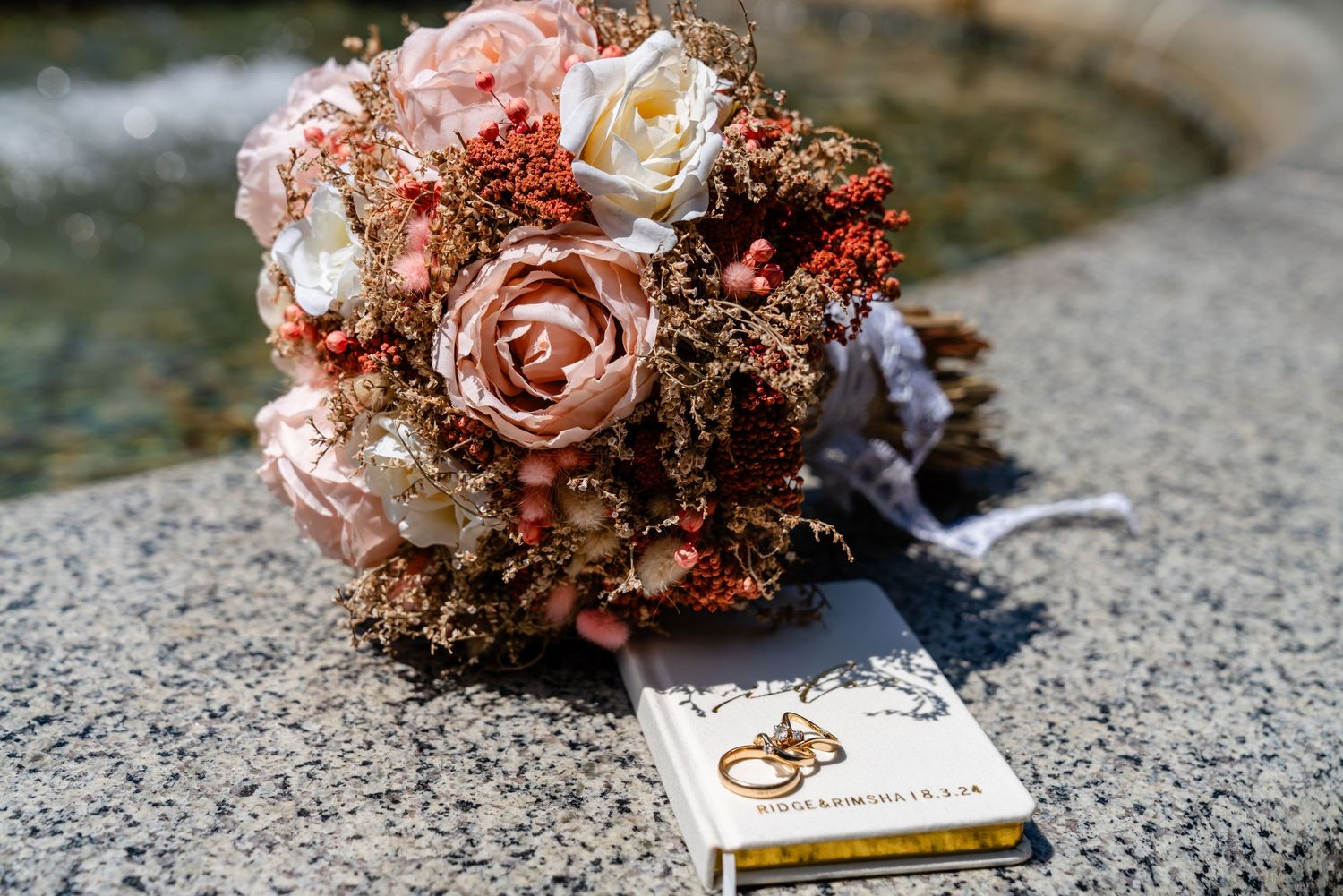
What to Bring for Your Massachusetts Elopement
Even simple elopements benefit from thoughtful preparation.
Here are a few things couples should consider bringing:
- marriage license
- vow books
- comfortable shoes
- weather backup items
- bouquet or florals
- rings
- water/snacks
- jacket or layers for coastal weather
Massachusetts weather can change quickly, especially near the coast, so flexibility is always important.
Best Time of Year to Elope in Massachusetts
Each season offers something completely different.
Spring
- blooming gardens
- soft temperatures
- fewer crowds
Summer
- beach ceremonies
- coastal sunsets
- vibrant greenery
Fall
- foliage
- crisp weather
- romantic New England atmosphere
Winter
- quiet city streets
- cozy vibes
- elegant editorial feel
For many couples, fall is especially popular for Massachusetts elopements because of the foliage and cooler temperatures.
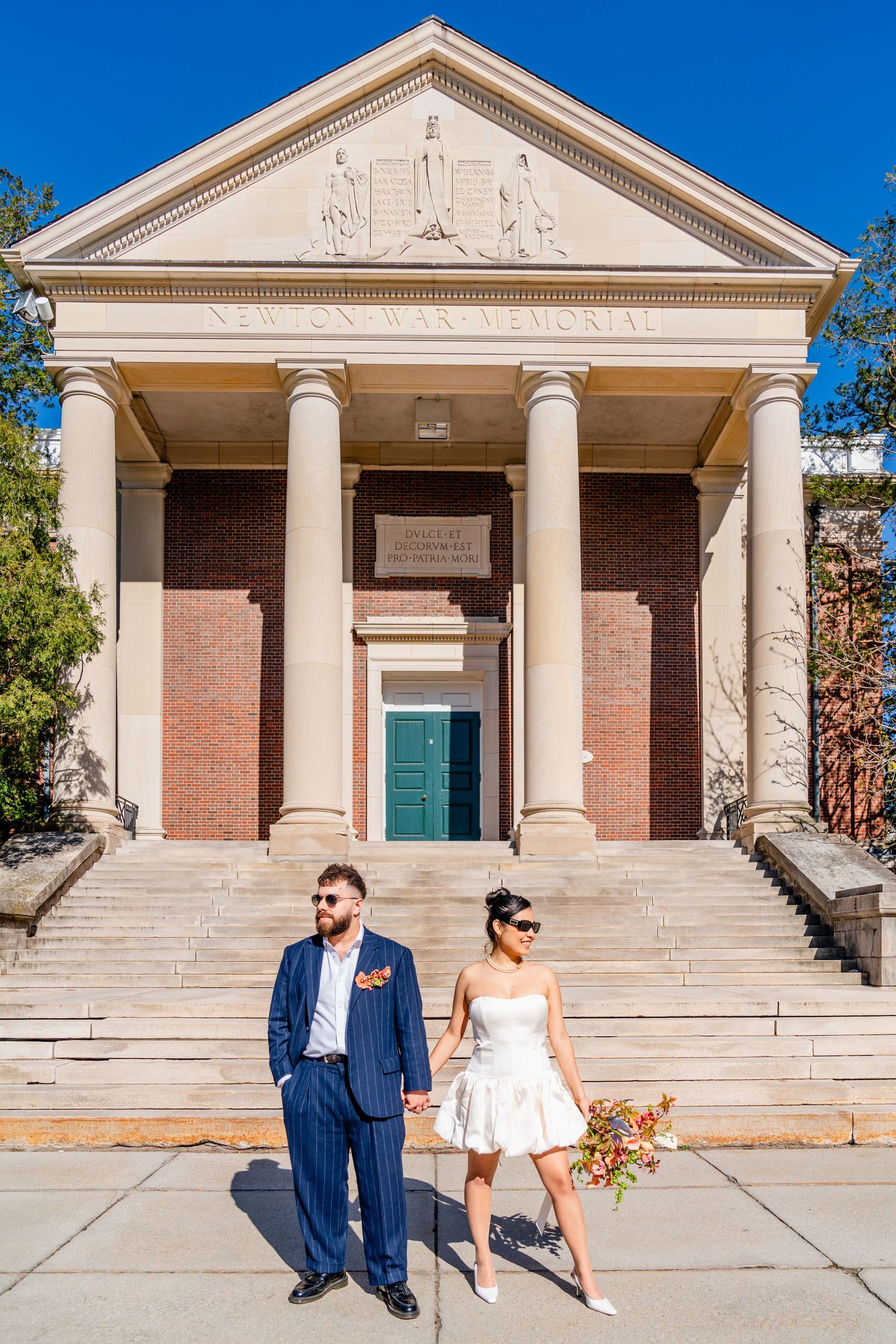
Who Is an Officiant-Photographer Elopement Best For?
This experience is especially ideal for couples who:
- want a stress-free wedding day
- prefer intimate experiences
- feel overwhelmed by traditional wedding planning
- value candid photography
- want flexibility
- are planning a destination wedding
- want meaningful over elaborate
- care more about the experience than the production
It’s also an incredible option for couples planning:
- weekday weddings
- travel elopements
- anniversary vow renewals
- spontaneous ceremonies
- small family celebrations
At the end of the day, your wedding doesn’t need to follow a traditional formula to be meaningful.
Some of the most emotional weddings I’ve witnessed have been the quietest ones.
No giant production.
No pressure.
No expectations.
Just two people intentionally choosing each other.
Officiant-photographer elopements create space for couples to slow down, stay present, and focus on what actually matters while still preserving the experience through honest and timeless imagery.
If you’re planning an intimate wedding or elopement in Massachusetts and are looking for a photographer who can also officiate your ceremony, I’d love to hear more about what you’re envisioning.
